How I Fuel My Recovery: Real Food, Real Gains
Recovering from injury isn’t just about rest—what you eat plays a huge role. I learned this the hard way during my rehab journey. At first, I focused only on exercises, but progress was slow. Once I started pairing physical therapy with smarter nutrition, everything changed. Strength came back faster, inflammation dropped, and energy improved. This isn’t about quick fixes—it’s about giving your body the real fuel it needs to heal. Here’s how diet quietly became my secret rehab weapon.
The Hidden Link Between Diet and Recovery
Many people believe that recovery is purely a physical process—something achieved through rest, stretching, and prescribed exercises. While these elements are essential, they represent only part of the healing equation. What often goes unnoticed is the powerful role nutrition plays behind the scenes. The body does not repair damaged tissues with movement alone; it requires raw materials, and those come from food. Without the right nutrients, even the most diligent rehabilitation routine can stall.
Scientific research consistently shows that proper nutrition supports multiple aspects of recovery. Proteins provide amino acids necessary for rebuilding muscle and connective tissue. Vitamins such as C and A contribute to collagen formation and immune function, both critical during healing. Minerals like zinc and magnesium are involved in cellular repair and reducing oxidative stress. Omega-3 fatty acids help modulate inflammation, which, when chronic, can delay recovery and increase discomfort. These are not minor details—they are foundational components of the body’s natural repair system.
Consider a common scenario: someone recovering from a knee injury diligently completes their daily exercises but eats mostly processed meals, skips protein, and drinks little water. They may notice persistent stiffness, fatigue, and slow improvement. They might feel frustrated, wondering why their efforts aren’t paying off. What they may not realize is that their diet is undermining their progress. The body is trying to rebuild, but it’s being asked to do so with inadequate supplies.
Another example is the person who assumes that because they’re less active during recovery, they should eat less. While caloric needs may decrease slightly, nutritional demands actually increase. Tissue repair is metabolically active work. Healing requires energy and specific nutrients in greater amounts than during maintenance. Restricting food intake too much can deprive the body of what it needs most at a crucial time. The belief that food is secondary to physical therapy is a misconception that can prolong recovery.
It’s important to understand that nutrition is not a passive backdrop to healing—it is an active participant. When you eat, you are either supporting recovery or slowing it down. There is no neutral ground. The choices made at the dinner table, the snacks chosen between meals, and even hydration habits all influence how efficiently the body can repair itself. Recognizing this connection transforms the way one approaches recovery. It shifts the focus from simply waiting to heal, to actively fueling the process.
Why Your Body Needs More Than Just Exercise to Heal
Physical therapy guides movement, restores function, and strengthens weakened areas. But beneath the surface, the body is engaged in complex biological processes that depend on more than motion. Muscle fibers are being repaired, tendons are regenerating, and joints are rebuilding cartilage and synovial fluid. These processes require specific building blocks—proteins, fats, vitamins, and minerals—that cannot be generated from exercise alone.
For instance, collagen is the most abundant protein in the body and a key component of tendons, ligaments, and skin. During recovery, collagen synthesis increases to repair damaged tissues. This process relies on amino acids from dietary protein, especially glycine, proline, and lysine, as well as vitamin C, which acts as a cofactor in collagen production. Without sufficient intake of these nutrients, the body cannot produce collagen efficiently, which may result in weaker repairs and increased risk of re-injury.
Another critical process is inflammation regulation. Acute inflammation is a natural and necessary part of healing—it signals the immune system to clear damaged cells and initiate repair. However, if inflammation becomes chronic due to poor diet, stress, or lack of rest, it can hinder recovery and contribute to pain and stiffness. Certain foods, such as those high in sugar and refined carbohydrates, can promote chronic inflammation. In contrast, whole foods rich in antioxidants and healthy fats help keep inflammation in check.
Energy levels also play a crucial role. Many people in recovery report feeling unusually tired, even when not physically active. This fatigue is not just psychological—it can stem from inadequate calorie intake, poor blood sugar regulation, or deficiencies in key nutrients like iron, B vitamins, and magnesium. These nutrients are essential for energy production at the cellular level. When they are lacking, the body struggles to perform even basic metabolic functions, let alone repair injured tissues.
Think of the body as a construction site. Exercise is like the workers and machinery—important for rebuilding structure and function. But food is the delivery of bricks, cement, wiring, and plumbing. Would you expect a building to be completed if materials were missing or of poor quality? Of course not. Similarly, expecting the body to heal without proper nutrition is unrealistic. The increased demand for nutrients during recovery is not optional—it is biological necessity.
Signs that nutritional needs are not being met include prolonged soreness, slow progress in physical therapy, frequent fatigue, poor sleep, and even mood changes. These are not just inconveniences—they are signals from the body indicating that something is missing. Addressing them through diet is often more effective than simply pushing harder in rehab. When nutrition is optimized, many people report feeling stronger, more alert, and more capable of engaging fully in their recovery process.
The 3 Core Principles of a Recovery-Focused Diet
Building a diet that supports healing doesn’t require complicated rules or expensive supplements. Instead, it comes down to three core principles: prioritizing high-quality protein, incorporating anti-inflammatory whole foods, and maintaining consistent hydration and meal timing. These principles work together to create a nutritional environment where healing can thrive.
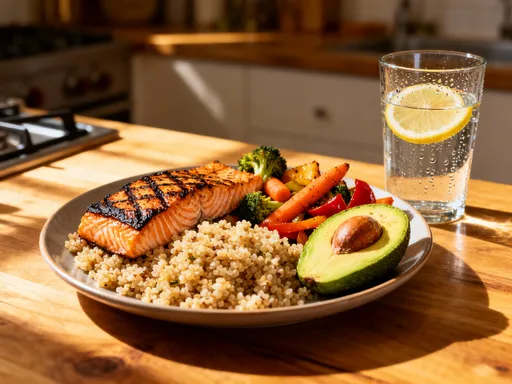
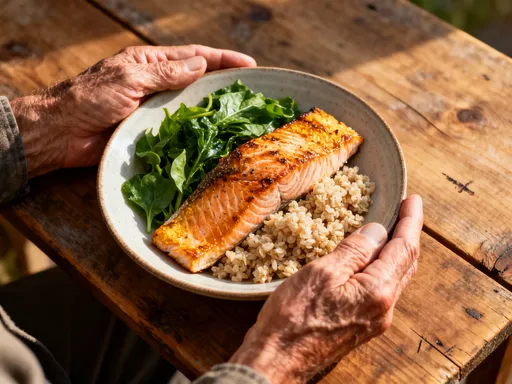
The first principle is to prioritize high-quality protein. Protein is the cornerstone of tissue repair. It provides the amino acids needed to rebuild muscle, tendons, and other connective tissues. Aim for 1.6 to 2.2 grams of protein per kilogram of body weight daily, especially during active recovery. This may sound high, but it’s achievable with mindful eating. Include protein in every meal and snack. Good sources include eggs, Greek yogurt, poultry, fish, legumes, and tofu. For example, a breakfast of scrambled eggs with spinach, a lunch of grilled chicken salad, and a dinner of baked salmon with quinoa can easily meet daily protein needs.
Timing also matters. Distributing protein evenly throughout the day—about 20 to 30 grams per meal—supports continuous muscle protein synthesis. This is more effective than consuming most protein in one sitting. A common mistake is eating very little protein at breakfast and loading up at dinner. Shifting some protein intake to earlier in the day can make a noticeable difference in energy and recovery pace.
The second principle is to include anti-inflammatory fats and whole foods. Chronic inflammation can slow healing and increase discomfort. Choosing foods that naturally reduce inflammation supports the body’s repair process. Focus on foods rich in omega-3 fatty acids, such as fatty fish (like salmon and mackerel), walnuts, chia seeds, and flaxseeds. These fats help balance the body’s inflammatory response. At the same time, emphasize whole, unprocessed foods—vegetables, fruits, whole grains, nuts, and seeds. These provide antioxidants, fiber, and phytonutrients that protect cells and support immune function.
The third principle is consistency in hydration and meal rhythm. Water is essential for every metabolic process, including nutrient transport, waste removal, and joint lubrication. Dehydration can lead to muscle cramps, fatigue, and delayed healing. Aim for at least eight glasses of water daily, more if you’re active or live in a warm climate. Herbal teas and water-rich foods like cucumbers and oranges also contribute to hydration.
Meal timing is another aspect of consistency. Going long periods without eating can lead to energy crashes and muscle breakdown. Eating balanced meals and snacks every three to four hours helps maintain stable blood sugar, supports energy levels, and ensures a steady supply of nutrients. This doesn’t mean rigid scheduling—it means listening to hunger cues and planning ahead to avoid skipping meals. For someone recovering, this consistency can mean the difference between feeling drained and feeling capable.
What to Eat (and Skip) During Rehabilitation
When healing, food choices should be intentional. Some foods actively support recovery, while others can hinder it. Knowing which to embrace and which to limit makes a significant difference. Focus on nutrient-dense, whole foods that provide maximum benefit with minimal processing.
Foods to include are those that deliver high-quality protein, healthy fats, and essential vitamins and minerals. Eggs are a powerhouse—rich in protein, choline, and antioxidants like lutein. Fatty fish such as salmon and sardines provide not only protein but also omega-3 fatty acids, which are proven to support joint health and reduce inflammation. Leafy greens like spinach and kale are excellent sources of vitamin K, magnesium, and antioxidants. Nuts and seeds offer healthy fats, fiber, and minerals like zinc and selenium. Whole grains such as oats, brown rice, and quinoa provide sustained energy and B vitamins needed for metabolism.
Dairy, if tolerated, can be a valuable source of protein and calcium, especially for bone and muscle health. Greek yogurt, in particular, is high in protein and contains probiotics that support gut health—an often-overlooked factor in overall well-being. Berries, citrus fruits, and bell peppers are rich in vitamin C, which, as mentioned, is essential for collagen formation. Including a variety of colorful fruits and vegetables ensures a broad spectrum of protective nutrients.
On the other hand, certain foods should be limited or avoided. Excess sugar, especially from sugary drinks and processed snacks, can promote inflammation and disrupt blood sugar balance. Processed meals, such as frozen dinners and fast food, are often high in sodium, unhealthy fats, and low in nutrients. These provide little support for healing and can contribute to bloating, fatigue, and sluggish recovery. Refined carbohydrates like white bread, pastries, and sugary cereals offer quick energy but lack the fiber and nutrients needed for sustained healing.
Skipping meals is another common pitfall. Some people eat less during recovery because they’re less active, but this can backfire. The body still needs fuel for repair. Going too long without eating may lead to muscle loss and low energy. Instead of skipping meals, focus on smaller, nutrient-rich portions if appetite is low.
Simple swaps can make a big difference. Replace soda with herbal tea or sparkling water with lemon. Choose almonds or a piece of fruit instead of chips. Opt for grilled chicken over processed deli meat. These changes don’t require drastic overhauls—they’re practical adjustments that add up over time. The goal is not perfection but progress. Each healthy choice is a step toward better healing.
Meal Timing and Recovery: Does It Matter?
While total daily nutrition is important, the timing of meals and snacks also influences recovery. The body benefits from a steady supply of nutrients, especially protein and energy, throughout the day. Irregular eating patterns can disrupt metabolic processes and slow healing.
One key concept is protein distribution. Research shows that spreading protein intake evenly across meals—about 20 to 30 grams per meal—is more effective for muscle repair than consuming most protein at dinner. This approach keeps the body in a state of positive protein balance, supporting continuous tissue synthesis. For example, a breakfast with two eggs and cottage cheese, a lunch with a turkey sandwich on whole grain bread, and a dinner with salmon and lentils can achieve balanced distribution.
Another common question is whether you must eat immediately after physical therapy. While it’s beneficial to eat within a couple of hours post-session, the idea that you must consume a meal within 30 minutes is a myth for most people. The so-called “anabolic window” is wider than once thought. As long as you’re eating regular, balanced meals throughout the day, your body will have the nutrients it needs for repair. The real issue is consistency over time, not timing down to the minute.
For those with busy schedules or low energy, planning ahead is essential. Prepping meals in advance, keeping healthy snacks on hand, and using simple recipes can prevent reliance on convenience foods. A smoothie with protein powder, banana, and spinach can be a quick, nutrient-dense option when cooking feels overwhelming. Overnight oats with nuts and berries require minimal effort and provide sustained energy.
Snacking smartly also supports recovery. Instead of reaching for candy or chips, choose options like yogurt with fruit, a handful of mixed nuts, or hummus with vegetable sticks. These provide protein, healthy fats, and fiber, helping to maintain energy and prevent overeating at meals. The goal is to fuel the body steadily, avoiding extreme hunger or fullness, both of which can disrupt metabolic balance.
Real-Life Challenges and How to Overcome Them
Recovery is not just physical—it can be emotionally and mentally taxing. Fatigue, low appetite, and lack of motivation are common, especially in the early stages. These challenges can make healthy eating feel out of reach. But with practical strategies, it’s possible to maintain good nutrition even when energy is low.
One of the biggest obstacles is low appetite. Pain, medication, or emotional stress can suppress hunger. Some people find themselves eating less without realizing it. Instead of forcing large meals, focus on smaller, frequent portions. A smoothie, a bowl of soup, or a piece of toast with nut butter can be easier to manage than a full dinner. These mini-meals still provide essential nutrients without overwhelming the system.
Batch cooking is another helpful strategy. On days when energy is higher, prepare several meals at once and store them in the refrigerator or freezer. This ensures that nutritious options are always available, even on tough days. Simple dishes like roasted vegetables with chicken, lentil soup, or baked fish with rice can be made in bulk and reheated easily.
Easy-to-eat, nutrient-dense foods are also valuable. Canned beans, pre-washed greens, frozen vegetables, and pre-cooked grains save time and effort. Greek yogurt, cottage cheese, and hard-boiled eggs require no preparation and are rich in protein. Keeping these on hand reduces the temptation to rely on processed or fast food.
I once went through a phase where I survived mostly on toast and tea. My energy was low, my progress stalled, and I felt discouraged. It wasn’t until I recognized that my diet was part of the problem that I started to make changes. I began with small steps—adding a boiled egg to breakfast, keeping a container of almonds in my bag, drinking more water. These small shifts added up and made a real difference.
The key is to aim for progress, not perfection. Healing takes time, and so does building better eating habits. Forgive slip-ups and focus on consistency. Even one healthy meal a day is a step forward. Over time, these choices become routine, and the body begins to respond with improved strength, energy, and resilience.
Putting It All Together: A Sample Day of Recovery Eating
Putting these principles into practice doesn’t have to be complicated. Here’s an example of a realistic, balanced day of eating designed to support recovery:
Breakfast could be scrambled eggs with spinach and tomatoes, served with a slice of whole grain toast and a small avocado. This meal provides high-quality protein, healthy fats, fiber, and antioxidants. A cup of herbal tea or water completes the hydration.
Mid-morning snack: Greek yogurt with a handful of berries and a sprinkle of chia seeds. This offers protein, probiotics, vitamin C, and omega-3s.
Lunch: Grilled salmon salad with mixed greens, cucumbers, bell peppers, quinoa, and a lemon-olive oil dressing. This is rich in omega-3s, plant-based protein, fiber, and vitamins. A piece of fruit, like an orange, adds extra vitamin C.
Afternoon snack: A small apple with almond butter or a handful of mixed nuts. This provides sustained energy and healthy fats.
Dinner: Baked chicken breast with roasted sweet potatoes and steamed broccoli. This meal delivers lean protein, complex carbohydrates, and essential minerals like potassium and magnesium. A side of sauerkraut or kimchi (if tolerated) can support gut health.
Evening: If hungry, a warm glass of milk or a small bowl of cottage cheese with cinnamon can aid overnight muscle repair and promote restful sleep.
This plan is not rigid—it’s a template. Meals can be adjusted based on taste, availability, and appetite. The focus is on variety, balance, and consistency. There’s no need for strict diets or elimination. The goal is to nourish the body with real food, day after day.
Remember, healing is not a race. It’s a process that requires patience, care, and the right fuel. Every meal is an opportunity to support your body’s remarkable ability to repair itself. When you treat your body with respect—through movement, rest, and nutrition—you’re not just recovering. You’re rebuilding stronger than before.