Move More, Live Better: My Simple Way to Stay Ahead of Illness
Staying healthy doesn’t have to mean intense workouts or strict routines. I used to think exercise was only for weight loss—until I learned how daily movement helps prevent chronic diseases like diabetes, heart issues, and joint problems. This isn’t about going viral or extreme fitness; it’s about small, doable steps that add up. I started with just five minutes a day and noticed real changes—more energy, better sleep, and fewer sick days. Let me share what actually worked for me.
The Hidden Power of Movement in Disease Prevention
Physical activity is one of the most powerful tools we have to protect our long-term health, yet its true value often goes unrecognized. Many people assume that exercise is primarily about appearance or weight management, but the deeper benefits lie in how movement supports the body’s internal systems. When muscles contract during activity, they help the body use glucose more efficiently, reducing the risk of insulin resistance and type 2 diabetes. This process happens even without intense effort—simple actions like standing up or walking around the kitchen make a difference. The body doesn’t need marathon training to benefit; consistent, gentle motion keeps metabolic pathways active and responsive.
At the same time, movement improves circulation, ensuring that oxygen and nutrients reach every organ effectively. Strong blood flow supports heart function and lowers blood pressure over time. Studies show that adults who engage in regular physical activity have a significantly lower risk of developing cardiovascular disease, the leading cause of death worldwide. Inflammation, a silent driver behind many chronic conditions—from arthritis to certain cancers—is also reduced through consistent movement. The body’s immune system functions more efficiently when it’s not burdened by prolonged inactivity, making daily activity a form of natural defense.
Another common misconception is that only structured workouts count. But science confirms that all movement matters. Whether it’s folding laundry, gardening, or pacing during a phone call, these actions contribute to what health experts call “non-exercise activity thermogenesis” (NEAT). This category of movement plays a crucial role in maintaining metabolic health. For women in their 30s to 50s, who may face hormonal shifts and slower metabolism, staying active throughout the day helps maintain energy balance and supports long-term wellness. The key is consistency, not intensity.
Why Inactivity Is a Silent Threat
Modern life is built around stillness. Many of us spend hours sitting—at desks, in cars, on couches—without realizing how deeply this affects our health. Research shows that prolonged sitting is linked to a higher risk of heart disease, type 2 diabetes, and even early mortality, independent of whether someone exercises later. This means that even if you go to the gym three times a week, spending the rest of your time seated can still undermine your health. The body was not designed to remain motionless for long stretches; our physiology thrives on regular shifts in posture and muscle engagement.
Consider the daily routine of a working parent or someone managing a household. Mornings involve preparing meals and getting children ready, followed by hours of screen-based tasks or chores that keep you in one place. Even leisure time often revolves around sitting—watching television, scrolling through devices, or reading. These patterns add up silently, slowing metabolism and weakening circulation. Over time, this sedentary lifestyle contributes to poor glucose control, weakened muscles, and stiff joints. The danger lies in how normal it feels—until symptoms like fatigue, stiffness, or frequent illness begin to appear.
Studies have found that people who sit for more than eight hours a day with little physical activity have a risk of dying early comparable to that of smoking or obesity. While that may sound alarming, the good news is that the solution doesn’t require drastic change. Simply breaking up long periods of sitting with short bursts of movement—standing, stretching, or walking—can reverse many of these effects. The goal isn’t to eliminate sitting altogether but to interrupt it regularly. For example, standing up every 30 to 60 minutes sends signals to your muscles and metabolism that keep your body functioning optimally.
Starting Small: The 5-Minute Rule That Changed Everything
If the idea of adding exercise to your day feels overwhelming, you’re not alone. Many women in midlife juggle multiple responsibilities—work, family, household duties—and struggle to find time for themselves. That’s why starting with just five minutes of movement a day can be transformative. This approach removes the pressure of perfection and makes physical activity feel achievable. I began by setting a timer and doing simple stretches in the morning—reaching arms overhead, rolling my shoulders, bending to touch my toes. It didn’t feel like a workout, but it signaled to my body that movement was part of my routine.
Within a few days, I noticed small improvements—less stiffness when getting out of bed, a slight boost in mood. These early wins built confidence and made it easier to continue. After a week, I added a short walk around the block after dinner. The key was consistency, not duration. By focusing on showing up for just five minutes, I avoided burnout and created a habit that could grow naturally. Over time, those five minutes turned into ten, then fifteen, without any sense of struggle. The psychological shift was profound: I stopped seeing movement as a chore and began to view it as a gift to myself.
This method works because it aligns with how habits are formed. Behavioral science shows that small, repeated actions are more likely to stick than ambitious goals that demand too much too soon. The 5-minute rule also allows for flexibility—on busy days, five minutes is still possible. On better days, it can easily expand. Pairing this habit with an existing routine, like brushing your teeth or making coffee, strengthens the neural connection and makes it automatic. Over time, movement becomes less of a decision and more of a natural part of your day.
Everyday Moves That Count—And Actually Fit Your Life
One of the most empowering realizations I had was that formal exercise is not the only way to stay active. In fact, most of the movement that supports long-term health happens outside the gym. Everyday actions—walking to the mailbox, standing while folding clothes, or playing with a pet—contribute to your overall activity level. The Centers for Disease Control and Prevention (CDC) recommends 150 minutes of moderate-intensity aerobic activity per week, but this doesn’t have to come in 30-minute chunks. It can be accumulated in 10-minute bursts throughout the day, making it far more manageable for busy schedules.
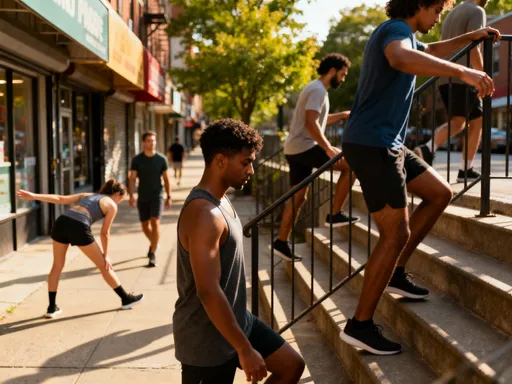
Consider how small adjustments can add up. Parking farther away from store entrances adds extra steps without requiring extra time. Taking the stairs instead of the elevator engages leg muscles and boosts heart rate slightly. Standing during phone calls prevents long stretches of sitting and improves posture. Even household chores like vacuuming, sweeping, or gardening involve movement that strengthens muscles and burns calories. These activities may not feel like exercise, but they are effective in maintaining mobility, supporting circulation, and keeping metabolism active.
Another strategy is to build movement into routines you already follow. For example, do calf raises while waiting for the kettle to boil or march in place during TV commercials. These micro-movements may seem insignificant, but over time, they contribute meaningfully to your health. The goal is not to push yourself to exhaustion but to keep your body engaged throughout the day. When movement becomes woven into daily life, it stops feeling like an obligation and starts feeling like a natural rhythm. This approach is especially helpful for those who feel self-conscious about exercising in public or don’t have access to fitness facilities.
Walking: The Most Underrated Workout
Of all the forms of physical activity, walking is perhaps the most accessible and underappreciated. It requires no special equipment, no membership fees, and no prior experience. Yet, walking at a brisk pace offers remarkable health benefits. It strengthens the heart, improves lung capacity, and enhances circulation. Just 30 minutes of brisk walking five times a week can reduce the risk of heart disease by up to 30%, according to research. It also supports weight management, helps regulate blood sugar, and improves sleep quality—all critical factors for long-term wellness.
Brisk walking means moving at a pace where you can talk but not sing—a level that elevates your heart rate slightly. You don’t need to track exact speed; simply aim to feel mildly energized, not exhausted. Proper posture enhances the benefits: keep your head up, shoulders relaxed, and arms swinging naturally. Walking on varied terrain, such as sidewalks with slight inclines or park trails, engages more muscles and increases effectiveness. If weather or safety is a concern, walking indoors—around a mall, community center, or even your home—still counts.
To make walking more enjoyable, try pairing it with something you already enjoy. Listen to a podcast, audiobook, or favorite playlist. Take walking calls instead of sitting at your desk. Invite a friend or neighbor to join you—social connection enhances motivation and makes time pass quickly. Using a simple pedometer or smartphone app to track steps can also provide gentle encouragement. Most importantly, allow yourself to walk at your own pace. This isn’t about competition; it’s about consistency and self-care. Over time, walking becomes not just a habit but a cherished part of your day.
Strength and Balance: The Missing Pieces in Prevention
While walking and general movement are essential, two other components are often overlooked: strength and balance. As we age, muscle mass naturally declines—a process called sarcopenia—starting as early as our 30s. This loss affects metabolism, posture, and overall energy levels. Strength training, even in simple forms, helps counteract this decline. It doesn’t require weights or machines. Bodyweight exercises like wall push-ups, chair squats, and standing on one leg can be done at home with no equipment. These movements build functional strength, making daily tasks like lifting groceries or climbing stairs easier and safer.
Beyond strength, balance is crucial for preventing falls and maintaining independence. Simple exercises like heel-to-toe walking, standing on one foot, or gentle yoga poses improve stability. These practices engage core muscles and enhance coordination. For women managing household responsibilities, better balance means greater confidence in everyday movements—reaching for high shelves, navigating slippery floors, or playing with grandchildren. Incorporating balance work just two or three times a week can significantly reduce the risk of injury.
The key is to start gently and progress gradually. Begin with one or two exercises and repeat them a few times. Focus on form rather than speed or repetition. Over time, your body adapts, and movements become easier. These exercises also support joint health by improving flexibility and reducing stiffness. Unlike high-impact workouts, they are low-risk and suitable for most fitness levels. By integrating strength and balance into your routine, you’re not just preventing disease—you’re preserving your ability to live fully and independently for years to come.
Building a Life That Moves—Sustainably
Turning movement into a lasting habit requires more than motivation—it requires strategy. Motivation fades, but systems endure. One effective method is “habit stacking,” where you link a new behavior to an existing one. For example, after brushing your teeth in the morning, do two minutes of stretching. After finishing lunch, take a five-minute walk around the house. These small connections make the new habit easier to remember and perform. Over time, the sequence becomes automatic, reducing the need for willpower.
Another powerful tool is environmental design. Make movement convenient by placing walking shoes by the door, keeping resistance bands in the living room, or setting reminders on your phone. Visual cues, like a yoga mat rolled out in the corner, serve as gentle invitations to move. At the same time, avoid common pitfalls—don’t try to do too much too soon, and don’t wait for the “perfect” moment. Progress is rarely linear; some days will be easier than others. On low-energy days, honor your body by doing less, but don’t skip entirely. Even one minute of movement maintains the habit and keeps you connected to your goal.
Mindset also plays a critical role. Shift your perspective from “I have to exercise” to “I get to move.” This small change transforms movement from a burden into a privilege—a way to care for your body and mind. Celebrate small victories: five more steps than yesterday, standing a little taller, feeling less stiff. These wins add up and reinforce positive behavior. Remember, disease prevention isn’t about perfection; it’s about showing up consistently, gently, and with kindness toward yourself.
Final Thoughts: Your Body Was Built to Move
The truth is simple: your body was designed for movement. From the way your heart pumps blood to how your muscles process energy, every system functions best when it’s in motion. You don’t need a gym membership, expensive equipment, or hours of free time to benefit. What matters is consistency—small, daily actions that add up over time. Movement is not punishment; it’s a form of self-respect, a way to honor the body that carries you through life.
By starting small, integrating activity into your routine, and focusing on sustainability, you create a lifestyle that supports long-term health. You reduce the risk of chronic disease, improve your energy, and enhance your quality of life. This isn’t about achieving a certain look or meeting someone else’s standard. It’s about feeling strong, capable, and resilient in your own skin. The journey begins not with a grand gesture but with a single step—literally. Stand up, stretch, walk to the window, take a deep breath. That’s how it starts.
Always consult with a healthcare provider before beginning any new physical activity program, especially if you have existing health conditions. The insights shared here are based on personal experience and general health guidelines, not medical advice. But one thing is certain: when it comes to protecting your health, movement is one of the most powerful choices you can make. Start where you are, use what you have, and do what you can. Your future self will thank you.